
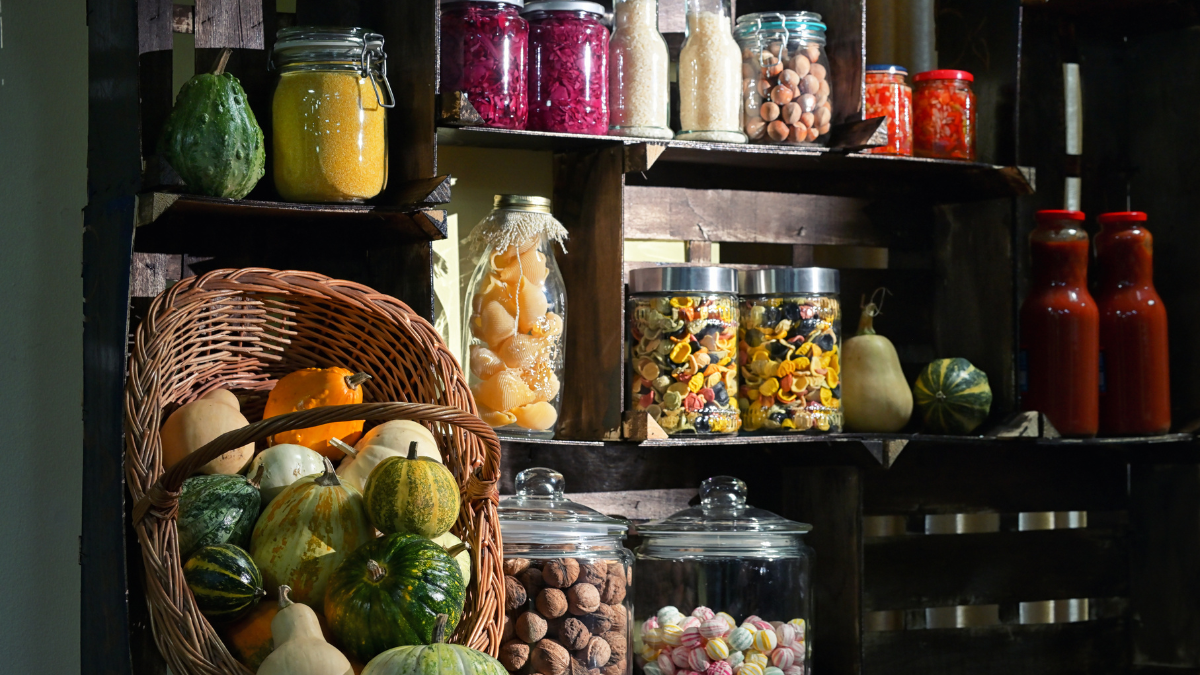
Do you have enough food to sustain yourself and your loved ones during an emergency situation? With climate change and other global issues, it’s becoming increasingly important to think about long-term food storage. Whether you’re a dedicated prepper or just looking for a way to save money on groceries, this comprehensive guide has everything you need to know about keeping your pantry stocked for months or even years. From understanding food shelf life to choosing the right storage containers, we’ll give you all the tools you need to build a pantry that can withstand any crisis. Let’s get started.
‘Please note that affiliate links have been included in this post for your convenience. If you click through one of my links, I will receive a small commission at no extra cost to you.’
Understanding Food Shelf Life
One of the most critical things to understand when it comes to long-term food storage is food shelf life. Knowing how long different types of food can last will help you plan and rotate your supplies effectively. Not all foods will have the same expiration date, and some will last much longer than others. For example, canned foods can last for years, while fresh produce and dairy products have a much shorter shelf life. It’s also essential to consider factors such as light, temperature, and humidity, which can affect how long your food will last.
When it comes to choosing the right storage containers, there are several things to keep in mind. First, make sure the containers are airtight to prevent moisture and insects from getting in. Glass jars with tight-fitting lids or food-grade plastic containers with gaskets and snap-on lids are great options. It’s also important to label your containers with the date that you packed them and the type of food inside. This will help you keep track of what you have and when it needs to be rotated or replaced.
By understanding food shelf life and choosing the right storage containers, you can build a long-term food storage pantry that will provide you and your loved ones with essential sustenance during an emergency situation. A little planning and preparation now can go a long way in ensuring your family’s safety and well-being in the future.
Choosing the Right Storage Containers
When it comes to building a long-term food storage pantry, choosing the right storage containers is essential. Airtight containers such as glass jars with tight-fitting lids or food-grade plastic containers with gaskets and snap-on lids are great options to prevent moisture and insects from getting in. But labeling your containers with the date and type of food inside is equally important. This will help you keep track of what you have and when it needs to be rotated or replaced. By understanding the importance of food shelf life and proper storage, you can ensure that your family has essential sustenance during an emergency situation. Next, let’s take a look at stocking up on essentials for your pantry.

Stocking Up on Essentials
When it comes to long-term food storage, it’s not just about having enough food to last you through an emergency. You also need to make sure that you have the essentials that will keep you healthy and nourished. This means stocking up on things like water, cooking supplies, and hygiene products.
First and foremost, make sure you have enough water to last you and your family for at least two weeks. If you are trying to store water for long-term here are 3 ways. The general rule of thumb is to store one gallon of water per person per day. You’ll also need cooking supplies like fuel, matches, and cooking pots and utensils.
Hygiene is also an essential part of emergency preparedness. Stock up on things like soap, hand sanitizer, toilet paper, and feminine products. Earth Breeze is my favorite laundry detergent that can be used on or off grid. Don’t forget about first aid supplies like bandages, gauze, and antiseptic.
By stocking up on these essentials, you’ll be better prepared to handle any emergency situation. And with the right storage containers and labeling system in place, you’ll be able to keep track of everything you have and when it needs to be rotated or replaced.
Now that you have your essentials covered, let’s move on to the next step: canning and preserving your own food.
Canning and Preserving
Having a stockpile of non-perishable food is a great way to ensure that you and your family have enough to eat during an emergency situation. However, what about the perishables? Canning and preserving food is a great way to ensure that you have access to fresh food for an extended period of time.
This process involves preserving food in airtight containers such as jars or cans, which can then be stored in a cool, dry place. Canning and preserving your own food may seem intimidating, but it’s actually quite easy to learn with the right resources.

There are a variety of resources available online and in books that can guide you through the canning and preserving process. Many of these resources can provide you with step-by-step instructions for preserving a variety of foods including fruits, vegetables, and even meat.
By learning how to can and preserve your own food, you’ll be able to enjoy fresh food for an extended period of time, even without access to a grocery store. And the best part is, you’ll be able to tailor your preserved items to your family’s specific tastes.
With your canned and preserved foods alongside your non-perishable staples, you’ll be well on your way to having a well-stocked emergency food supply. But, it’s important to remember to rotate and replace your preserved foods as well to ensure their quality and safety.
Creating a Rotation Plan, the next step, will help you keep track of all of your food supplies and guarantee that you’re always ready for any emergency.
Creating a Rotation Plan
To make the most out of your long-term food storage, creating a rotation plan is essential. A good rotation plan allows you to keep track of your food supplies and ensures that you are always stocked with fresh and safe food items.
When creating your rotation plan, it is important to label your canned and preserved food items with the date of purchase or expiry. This way, you can easily identify which items need to be consumed first. It is also recommended to organize your food supplies in a way that allows for easy access and visibility. This will make it easier to keep track of what you have and what needs to be replaced.

In addition to rotating your food supplies, it is important to regularly check for signs of spoilage or damage. Discard any cans or packets that are bulging, leaking, or have a foul smell. Similarly, dispose of any food items that have passed their expiry date.
By implementing a rotation plan and regularly checking for spoilage or damage, you can ensure that your long-term food storage is always stocked with fresh and safe items. This will make it easier for you to weather any emergency or unexpected situation.
Storing water and other necessities should also be a vital part of your emergency preparedness plan.
Storing Water and Other Necessities
In addition to storing food, it’s important to consider how to store water and other necessities in case of an emergency. Water is essential to survival, and it’s recommended to have at least one gallon per person per day. When storing water, it’s important to use food-grade containers that are odorless, clean, and sturdy. Avoid using containers that previously held chemicals, as they can contaminate the water.

Other necessities to consider storing include personal hygiene items such as soap, shampoo, and toothpaste. First aid supplies such as bandages, antiseptic, and pain relievers are also important to have on hand. Additionally, it’s a good idea to have a supply of basic tools such as a multi-tool, duct tape, and matches, as well as any prescription medications.
When storing these items, keep in mind the same principles as storing food – keep the items in a cool, dry, and dark place, and rotate them regularly to ensure they remain fresh and usable in case of an emergency. By including these necessities in your emergency preparedness plan, you’ll be better equipped to handle any unexpected situation that may arise.
In Conclusion
In conclusion, understanding food shelf life, choosing the right storage containers, stocking up on essentials, canning and preserving, creating a rotation plan, and storing water and other necessities are all crucial components of long-term food storage. By following the tips and knowledge outlined in this guide, you can feel confident in building a pantry that will last for years to come. Remember, preparation is key, and investing in long-term food storage is a smart move for anyone looking to save money, plan for emergencies, or simply live more sustainably. So don’t wait until it’s too late – start prepping today and enjoy the peace of mind that comes with being prepared! As the old adage goes, “Failing to prepare is preparing to fail.”
Great guide on long-term food storage! Understanding food shelf life and choosing the right storage containers are crucial, and the tips on stocking up on essentials, canning and preserving, creating a rotation plan, and storing water are very helpful. Planning and preparation now can go a long way in ensuring your family’s safety and well-being in the future.
Emma James