
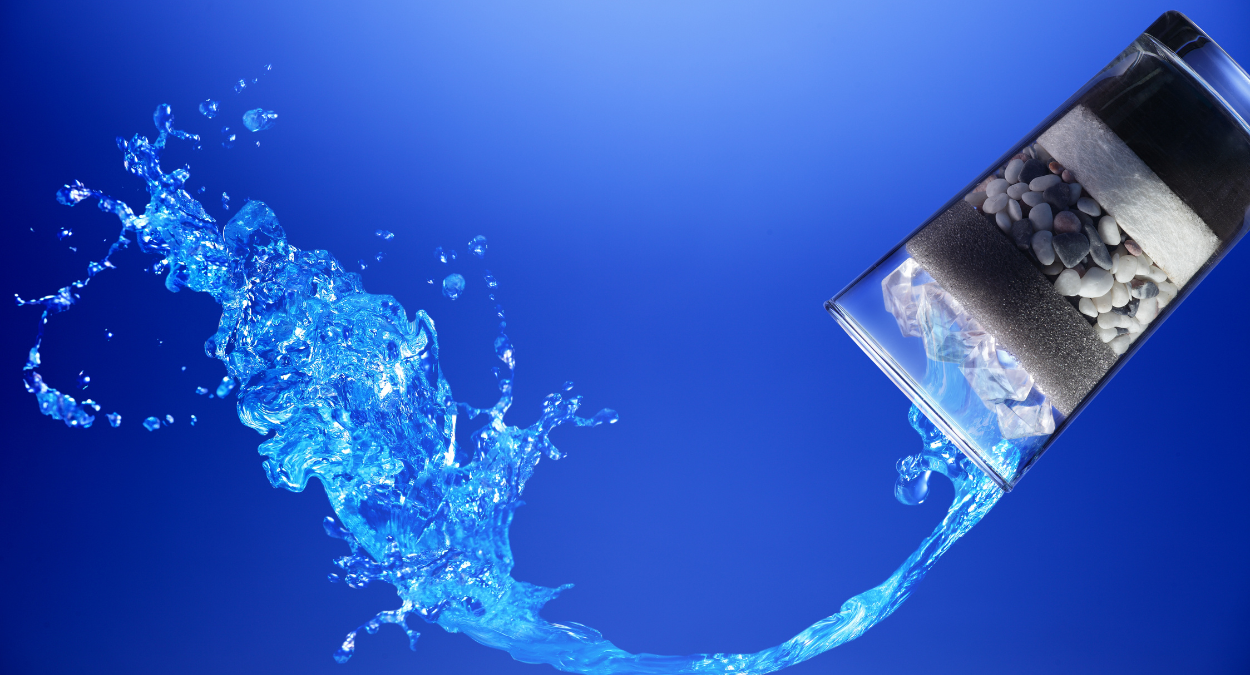
Clean water is a basic human need, yet many people take it for granted. According to the World Health Organization, 2.2 billion people lack access to safe drinking water. In times of emergencies or natural disasters, access to clean water can be even more challenging. What if you could build your own water filtering system using easily available materials? In this ultimate guide to DIY water filtering systems, we will provide you with step-by-step instructions on how to create your own water filtering system. This guide is perfect for budget preppers and anyone interested in prepping 101. You will learn about the different types of water filtration, materials you need for your DIY project, building instructions, maintenance tips, and how to test your water quality. With this guide, you will save money, and have peace of mind knowing that you will always have access to clean water. Get started today and take control of your water supply!

Understanding Water Filtration
Before diving into building your own DIY water filtering system, it’s important to understand the different types of water filtration. By understanding the basics of water filtration, you can make an informed decision about which system is best suited for your needs. There are several types of water filtration, including mechanical filtration, activated carbon filtration, reverse osmosis filtration, and UV water purification.
Mechanical filtration is the most basic form of water filtration, and it works by physically removing impurities from water. This type of filter is best for removing larger particles from water, such as sediment or debris. Activated carbon filtration works by adsorbing impurities onto the surface of the filter. This type of filter is best for removing chlorine, unpleasant tastes and odors, and certain chemicals. Reverse osmosis filtration uses a semi-permeable membrane to remove impurities from water. This type of filter is best for removing dissolved solids, such as minerals or salts. Finally, UV water purification uses ultraviolet light to kill bacteria and viruses in the water.
When choosing the right water filtering system for you, consider factors such as your budget, the amount of water you need to filter, and the quality of the water in your area. Keep in mind that no single type of filtration is perfect, and you may need to use a combination of filters to achieve the desired result. With this understanding of water filtration basics, you can confidently move forward in building your own DIY water filtering system.
Choosing the Right Water Filtering System for You
When it comes to choosing the right water filtering system for your needs, it’s important to consider a few key factors. First and foremost, you’ll want to think about your budget and how much you’re willing to spend on a filtration system. Additionally, you’ll need to consider how much water you need to filter on a daily basis and what kinds of impurities are present in the water in your area.
It’s worth noting that no single type of filtration is perfect, so you may need to use a combination of different filters to achieve the desired result. With these factors in mind, you’ll be better equipped to choose the right filtration system for your DIY water filtering project.
Now that you have a solid understanding of water filtration basics and the factors to consider when selecting a filtration system, it’s time to move on to the next step: gathering the materials you’ll need for your DIY water filtering system.

Materials Needed for Your DIY Water Filtering System
To build a DIY water filtering system, you’ll need a few key materials. Firstly, you’ll need a container to hold your filtered water. This can be a large bucket, a plastic container or even a ceramic pot. The important thing is that your container is able to hold a significant amount of water, as well as having a lid to prevent contamination.
Next, you’ll need filtration media. This could be anything from sand, gravel or activated carbon to ceramic filters or even moss. Different types of filtration media filter out different impurities, so it’s important to choose the right one for your needs. It’s also worth noting that you may need more than one type of filtration media to achieve the desired level of purity.
You’ll also need tubing or piping to connect your filtration system together. This can be purchased from most hardware stores and comes in a variety of sizes. Make sure to measure the distance between your container and your filtration media before purchasing tubing.
Lastly, you may want to invest in a water pH testing kit to ensure that your water is at a safe pH level. This isn’t essential, but it can give you peace of mind that your DIY filtering system is working effectively.
With these materials, you’re well on your way to building your own water filtering system. The next step is to follow our step-by-step instructions to assemble your system and start enjoying clean, filtered water.
Step-by-Step Instructions for Building Your Own Water Filtering System
To build your own water filtering system, follow these step-by-step instructions:
- First, drill a hole in the side of your plastic container using a drill bit that matches the size of your tubing.
- Insert the tubing into the hole and seal with silicone adhesive.
- Cut the other end of the tubing to fit and insert it into the filtration unit.
- Attach the filtration unit to the lid of the container with screws.
- Fill the container with water and let it filter through the unit.
- Test the pH level of your filtered water with a testing kit to ensure it is safe for consumption.
With a little bit of effort and these instructions, you can easily build your own water filtering system.
To ensure your system runs efficiently, check out our next section on maintenance and troubleshooting tips.
Maintenance and Troubleshooting Tips for Your DIY Water Filtering System
To keep your DIY water filtering system running at its best, it’s important to perform regular maintenance checks and troubleshoot any issues that arise. Here are some tips to keep in mind:
First, make sure to replace your filter cartridges as recommended by the manufacturer. This will vary depending on the type of filter and the water quality in your area, so be sure to check the instructions carefully. You may also need to clean or sanitize certain components of the filter periodically, such as the membranes or housing.
If you notice a decrease in water flow or a change in water quality, it could be a sign that your filter is clogged or not operating properly. Try cleaning or replacing the filter cartridges, and check for any leaks or defects in the system.
It’s also a good idea to regularly test your filtered water for impurities or bacteria. This will help you identify any issues with your system and give you peace of mind that your water is safe to drink. (Check out our next section for more information on testing your water quality.)
By taking these steps to maintain and troubleshoot your DIY water filtering system, you can ensure that it continues to provide clean, safe water for you and your family.
Testing Your Water Quality
Regularly testing your filtered water for impurities and bacteria is an important step in ensuring that your DIY water filtering system is working properly. While most systems are effective in removing contaminants, it’s always a good idea to verify that your water is safe to drink.
There are a few ways to test your water quality, including using a water testing kit, sending a sample to a lab, or using a digital water quality tester. Water testing kits are generally easy to use and provide a quick indication of your water’s pH level, hardness, and the presence of common contaminants such as chlorine, bacteria, and lead.
For more comprehensive testing, you can send a water sample to a lab that specializes in water analysis. This option may be more expensive and time-consuming than using a testing kit, but it can provide a more accurate and detailed analysis of your water quality.
Another testing option is to use a digital water quality tester, which measures the electrical conductivity of the water to determine its purity level. These testers can provide instant readings and are commonly used by professionals who need to verify water quality on a regular basis.
No matter which testing method you choose, it’s important to regularly test your filtered water to ensure that your DIY water filtering system is working properly and providing safe, clean water for you and your family.
In Conclusion
In conclusion, having a reliable source of clean water is essential for survival, and building your own DIY water filtering system is a practical and cost-effective solution. By following the step-by-step instructions and maintenance tips in this guide, you can ensure that your water is properly filtered and free of harmful contaminants. Remember, taking control of your water supply is not only smart, but it’s also crucial for your health and wellbeing. I also share 3 ways to store water long-term. So, don’t wait any longer, get started on building your own DIY water filtering system today and be prepared for any emergency that comes your way. As they say, “water is life,” and with a DIY water filtering system, you can make sure that your life is always protected.
Great guide on building your own DIY water filtering system! It’s informative, easy to understand, and provides step-by-step instructions for beginners. Plus, the maintenance and troubleshooting tips are very helpful. This is a must-read for anyone interested in having access to clean water.
Eva James