
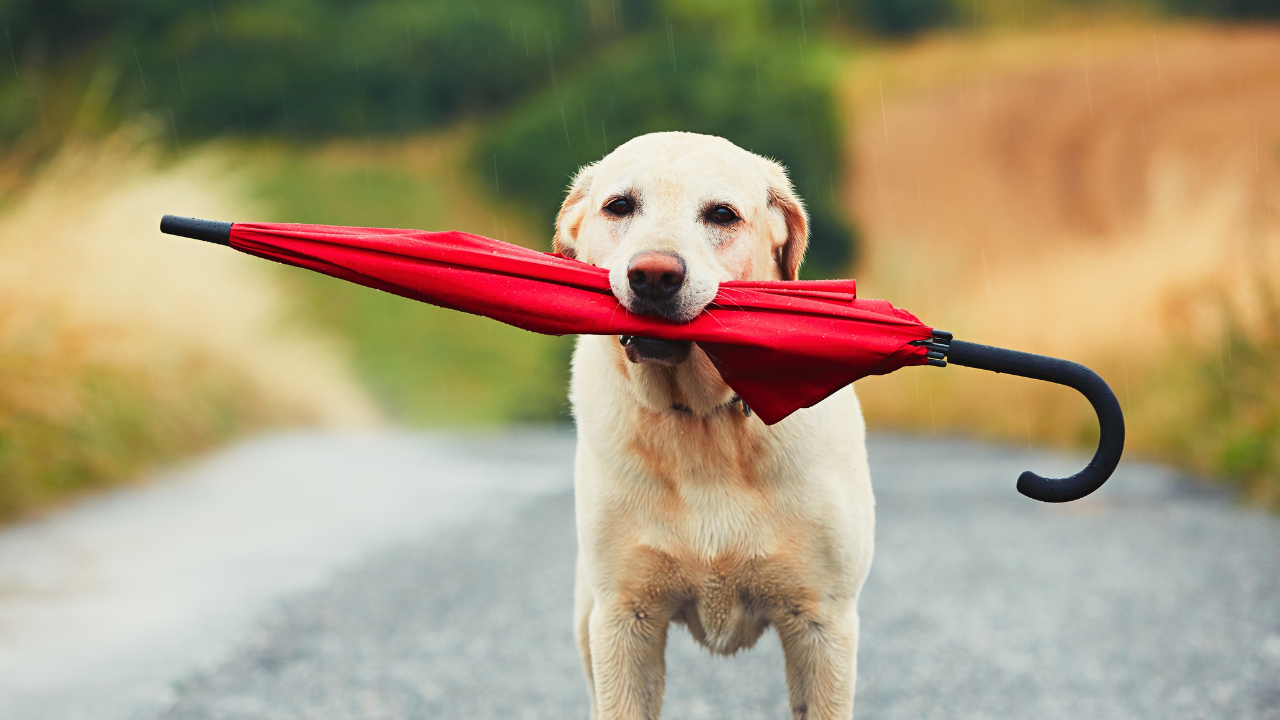
Imagine a thunderous roar of rain pelting against your windows, while lightning flashes across the sky like an otherworldly fireworks show. You’re nestled safely inside your home, cozied up with a hot cup of tea, grateful for your shelter during the raging storm. But have you considered the safety and well-being of your furry companions during such severe weather?
“Please note that affiliate links have been included in this post for your convenience. If you click through one of my links, I will receive a small commission at no extra cost to you.’
In this article, we will unveil essential tips to help you prep your pets for bad weather, ensuring their survival and comfort. From creating a comprehensive emergency kit to managing anxiety and stress in your beloved companions, we’ve got you covered. We’ll even guide you in choosing the right long-term food options to keep their bellies full during extended periods of inclement weather.

Throughout this journey, we’ll uncover practical advice, supported by studies and expert insights, so you can confidently weather any storm alongside your four-legged friends. So grab a pen and get ready to take notes because by the end of this article, you’ll be equipped with the knowledge and tools necessary to protect your furry companions when Mother Nature unleashes her fury. Remember, their safety is in your hands.
Creating an Emergency Kit
One of the most crucial steps in prepping your pets for bad weather is to assemble a well-stocked emergency kit. Just as you would gather supplies for yourself, it’s essential to include all the necessary items to ensure your furry companions’ safety and well-being during a storm.
Start by gathering enough food and water to last at least a week. In times of inclement weather, your regular supply might become scarce, so it’s vital to have a stockpile specifically for your pets. Opt for dry or canned food that has a long shelf life and rotate it periodically to maintain freshness.

Next, gather all the essential health supplies. Include any medications your pets may need, as well as flea and tick treatments, first aid supplies, and any necessary medical records. Additionally, pack their regular grooming supplies, such as brushes and shampoo, to keep them clean and comfortable.
Don’t forget to include important identification documents and contact information. In case you and your pets become separated, having their identification tags, microchip information, and a recent photo will greatly increase the chances of being reunited. It’s also crucial to have contact information for your veterinarian and any nearby animal shelters or emergency veterinary clinics.
To ensure your pets’ comfort and safety, pack a few familiar items that will provide them with a sense of security. This could include their favorite toys, blankets, or bedding. Familiar scents and objects can help reduce anxiety and stress during times of uncertainty.
Lastly, remember to include a sturdy leash or harness, as well as carriers or crates for each of your pets. During an evacuation, these items will be vital for safely transporting them to a temporary shelter or a designated safe area. Make sure the carriers are properly labeled with your contact information and your pets’ names.

By creating an emergency kit tailored specifically for your pets, you’ll be well-prepared to face any unforeseen circumstances that bad weather may bring. This proactive step will provide you with peace of mind, knowing that you have everything necessary to protect and care for your furry companions, come what may.
Choosing Long Term Food
When it comes to choosing long-term food for your pets, it’s important to consider their specific dietary needs and preferences. Just as you would stock up on non-perishable items for yourself during bad weather, it’s essential to have a sufficient supply of pet food that can last for an extended period.
Start by checking the expiration dates on your pet’s food and making sure they are well within the future. If they are too close to expiring, it’s time to restock. Look for pet food options that have a long shelf life, such as dry kibble or dehydrated meals.
Consider your pet’s age and any specific dietary requirements they may have. If your pet is a senior or has a health condition, you may need to opt for a specialized diet that caters to their needs. Consult with your veterinarian to get recommendations and ensure you are providing the right kind of nutrition for your furry friend.
When choosing long-term food for your pets, it’s also essential to think about their eating habits and preferences. Some pets may prefer wet food over dry kibble, while others may have dietary restrictions that limit their options. Take these factors into account and make sure you have a variety of food choices that will keep your pet satisfied and nourished during extended periods of bad weather.
One of our favorite kibble to store for our pets is freeze dried kibble from Raw Paws Pet Food. We’ve used so many of their products and my animals absolutely love everything they have had. My senior dog has even switched over to their Raw Pet Food and we’ve noticed drastic changes in his movability and his coat.

Lastly, don’t forget about water. Just like humans, pets need access to fresh water at all times. Consider having a backup supply of water specifically for your pets, especially if you anticipate water shortages during storms. Store water in clean, food-grade containers and ensure it is rotated regularly to maintain its freshness.
By taking the time to choose long-term food options for your pets, you are not only ensuring their well-being during bad weather but also setting yourself up for peace of mind. Knowing that your furry companions have nutritious and satisfying meals available will alleviate yet another layer of stress during challenging times.
With anxiety management and long-term food choices taken care of, you are well on your way to prepping your pets for any bad weather that may come their way.
Preparing Shelter Options
In addition to assembling an emergency kit for your pets, it’s also crucial to plan ahead for potential shelter needs during bad weather. While staying in your home may be the safest option in some situations, it’s essential to have alternative shelter options ready in case evacuation becomes necessary.
Research local pet-friendly hotels or motels ahead of time that would be willing to accommodate you and your furry companions during an emergency. Keep a list of these establishments, along with their phone numbers and addresses, in your emergency kit or stored on your phone. This way, you can quickly reach out and secure a safe place to stay if the need arises.

It’s also wise to establish a network of friends, family, or neighbors who would be willing to temporarily house you and your pets during a storm. Reach out to them beforehand and discuss your emergency plan, ensuring they are aware of the situation and willing to assist if needed.
If you live in an area prone to severe weather, consider identifying local animal shelters or veterinary clinics that offer emergency boarding services. These establishments are equipped to handle pets during crises and may provide a safe haven for your pets if you cannot bring them with you during an evacuation. Be sure to have their contact information readily available and familiarize yourself with their protocols for emergency drop-offs.
By preparing shelter options in advance, you’ll have peace of mind that you can provide a secure and comfortable environment for your pets in the face of inclement weather. These proactive measures will not only ensure your pets’ safety but also make the evacuation process smoother for everyone involved.
Managing Anxiety and Stress in Pets
Just like humans, pets can experience anxiety and stress during severe weather events. The loud noises, unfamiliar surroundings, and disruption of routine can all contribute to heightened emotions in our beloved animal companions. As responsible pet owners, it is essential to be proactive in managing their anxiety and stress to ensure their well-being during bad weather.
One effective way to help pets cope with anxiety is to create a calm and comforting environment. Designate a quiet space in your home where your pets can retreat to when they feel overwhelmed. This area should be equipped with cozy bedding, familiar scents, and their favorite toys. By providing a safe haven, you can help alleviate their anxiety and provide a sense of security.
Additionally, it is crucial to maintain your own calm demeanor when dealing with stressed pets. Animals can pick up on our emotions, so staying calm and composed will help reassure them that everything is under control. Take deep breaths, speak softly and reassuringly, and avoid any sudden movements that may startle them further.

To further ease their anxiety, consider using products specifically designed for calming pets, such as anxiety wraps or pheromone sprays. These can help create a soothing atmosphere and reduce stress levels in your furry friends. Consult with your veterinarian to determine which products are safe and suitable for your pets.
Physical exercise is another effective method for managing anxiety in pets. Engage in playtime, take your dog for regular walks, or provide interactive toys for your cats. Stimulating their minds and bodies will not only help alleviate anxiety but also tire them out, promoting relaxation and better sleep.
One way to help your pet is to have a natural calming aid on hand for your pet. There are so many options on the market but here a few of our favorites.
- NaturVet Quiet Moments Calming Aid Dog Supplement, Helps Promote Relaxation, Reduce Stress, Storm Anxiety, Motion Sickness for Dogs
- Good Trouble Pets Calming Supplement for Dogs – Fruit Blend Flavor, 30 Chews – Promotes Relaxation & Soothes Anxiety
- ThunderWunders Hemp Dog Calming Chews | Vet Recommended for Situational Anxiety | Fireworks, Thunderstorms, Travel & More | Made with Hemp Seed, Thiamine, L-Tryptophan, Melatonin & Ginger
- NaturVet Hemp Quiet Moments Plus Hemp Seed for Cats
- Sentry Calming Chews for Cats, Calming Aid Helps to Manage Stress & Anxiety, With Pheromones That May Help Curb Destructive Behavior & Separation Anxiety, Calming Health Supplement for Cats
By taking steps to manage anxiety and stress in pets, you will not only provide them with comfort during bad weather but also set them up for success in handling future storms. These measures will create a sense of routine and familiarity, minimizing the impact of any disruptions caused by severe weather.
This proactive approach to managing anxiety in pets will also help seamlessly transition into the next aspect of prepping your pets for bad weather: choosing long-term food options.
By taking steps to manage anxiety and stress in pets, you will not only provide them with comfort during bad weather but also set them up for success in handling future storms. These measures will create a sense of routine and familiarity, minimizing the impact of any disruptions caused by severe weather.
This proactive approach to managing anxiety in pets will also help seamlessly transition into the next aspect of prepping your pets for bad weather: choosing long-term food options.
Conclusion
In the face of stormy weather, our furry companions rely on us for their safety and well-being. To ensure you are fully prepared, we have outlined essential tips to protect your pets during severe weather conditions. First, create an emergency kit stocked with supplies. Next, consider shelter options that cater to your pet’s specific needs. Managing anxiety and stress in pets is crucial, so explore techniques to keep them calm during storms. Lastly, choose long-term food options to sustain them through extended periods of inclement weather. By following these essential steps, you hold the power to safeguard your pets in the storm’s path. Now that your pet is sorted here are some basic prepping essentials you should have on hand.