
Have you ever wondered how food can stay fresh for years without spoiling? The answer lies in freeze drying, a preservation process that removes moisture from food and locks in nutrients. But what exactly goes on during this process, and how can it be optimized for best results? In this article, we will delve into the surprising science behind freeze drying, covering everything from the basics to sublimation, different types of food, and tips for maximizing your efforts. Whether you’re a home cook or an industrial professional, this guide will provide you with the knowledge you need to master freeze drying and enjoy its benefits to the fullest.
‘Please note that affiliate links have been included in this post for your convenience. If you click through one of my links, I will receive a small commission at no extra cost to you.’
The Basics of Freeze Drying
To understand the process of freeze drying, it’s important to first grasp the basics. Freeze drying is the removal of moisture from a substance by applying heat and pressure to freeze it, and then sublimating the frozen water by placing it in a vacuum. This process preserves the substance, whether it be food, medicine, or some other material, by removing the water that bacteria and other harmful microorganisms need to survive.
One crucial part of the freeze drying process is the vacuum chamber. This is where the pressure is lowered through the use of a vacuum pump, allowing the frozen water in the substance to sublimate and turn into vapor. The role of the vacuum chamber is to control the pressure and temperature inside, ensuring that the sublimation process is efficient and that the final product is properly preserved. In order to achieve the best results, the vacuum chamber must be properly designed and maintained according to the specific needs of the material being freeze dried.

Overall, understanding the basics of freeze drying and the role of the vacuum chamber is essential in optimizing the process and achieving the desired results. With this knowledge, you can ensure that your freeze-dried products are preserved to the highest standard, whether for personal enjoyment or commercial purposes.
The Role of Vacuum Chambers
This intricate process of freeze drying requires a range of specialized equipment, with the vacuum chamber playing a crucial role in ensuring the efficiency and efficacy of the sublimation process. The vacuum chamber is designed to create a controlled environment where the pressure and temperature can be adjusted according to the specific needs of the substance being freeze dried. The pressure inside the chamber is lowered through the use of a vacuum pump, which helps to remove any moisture and oxygen that could interfere with the sublimation process.
By maintaining the appropriate pressure and temperature, the vacuum chamber ensures that the frozen water in the substance is able to efficiently transition from solid to vapor without passing through the liquid phase. This helps to preserve the integrity of the material, as it prevents the formation of ice crystals that can damage the cell structure and lead to a decline in the quality of the final product.

Properly designing and maintaining the vacuum chamber is essential for achieving optimal freeze-drying results. The chamber should be carefully calibrated to match the unique characteristics of the substance being dried, with adjustments made to the pressure and temperature as needed. By paying close attention to these factors, quality assurance can be maintained and the final freeze-dried product will be properly preserved.
Understanding the role of the vacuum chamber is just one aspect of mastering the freeze-drying process. In the next section, we’ll dive deeper into the process of sublimation, exploring the science behind this remarkable transformation.
The Process of Sublimation
In addition to designing and maintaining the vacuum chamber, understanding the process of sublimation is crucial for achieving optimal freeze-drying outcomes. Sublimation is the process of transforming a solid substance directly into a gas, without passing through the liquid state. In freeze-drying, this process occurs when frozen water molecules sublimate from the solid state directly into water vapor, leaving behind a dehydrated product.
The sublimation process is initiated by applying heat to the frozen sample, which causes the ice crystals to melt and turn into liquid water. Then, a vacuum is applied, which lowers the atmospheric pressure inside the chamber, creating an environment where the water molecules can evaporate without liquifying first. As the sample is heated and the vacuum is maintained, the water molecules gradually sublimate, leaving behind a porous, dry material.
Different types of food and other materials require different settings for sublimation to occur correctly. Temperature and pressure must be tailored to the specific substance being freeze-dried for optimal results. By understanding the science behind sublimation, and carefully calibrating the freeze-drying process, high-quality and well-preserved final products can be achieved. In the next section, we’ll explore the different types of food that can be freeze-dried and the unique challenges they present in the process.

Different Types of Food and Freeze Drying
Different types of food and other materials require different settings for sublimation to occur correctly. Temperature and pressure must be tailored to the specific substance being freeze-dried for optimal results. For example, fruits and vegetables require lower temperatures and longer drying times compared to meat products. This is because the high protein content of meat can cause it to denature at higher temperatures, affecting the final texture and quality of the product.
Dairy products also require careful consideration during the freeze-drying process. The high sugar and fat content in certain dairy products, such as ice cream, can cause them to caramelize and turn brown during the drying process. To prevent this, lower temperatures and longer drying times are used.
Even within the same category of food, such as fruits, different types react differently to the freeze-drying process. For instance, berries and grapes have high water content and require lower temperatures and longer drying times to prevent them from becoming too crunchy and losing their flavor. On the other hand, apples and bananas have lower water content and can withstand higher temperatures and shorter drying times.
By understanding the science behind sublimation, and carefully calibrating the freeze-drying process, high-quality and well-preserved final products can be achieved. In the next section, we’ll explore tips for optimizing freeze drying to ensure the best possible outcome.
Tips for Optimizing Freeze Drying
By understanding the intricacies of the freeze-drying process, one can optimize it to achieve the best possible outcome. Here are some tips to help you do just that:
- Choose the Right Foods: As mentioned earlier, different types of food react differently to the freeze-drying process. Before starting, ensure that you have chosen the right food products for the process. Certain fruits, meats, and vegetables are better suited for freeze-drying than others.
- Consider Pre-Treatment: Pre-treatment of food before the freeze-drying process can have a significant impact on the final outcome. Pre-treatments such as blanching, soaking, or even marinating can improve the quality and taste of the final product.
- Monitor Temperature and Pressure: Temperature and pressure play a crucial role in the freeze-drying process. It’s essential to monitor these variables to ensure that they remain within the desired range throughout the process.
- Optimize Drying Time: The drying time for freeze-drying varies depending on the food product being processed. It’s essential to optimize the drying time to prevent over-drying or under-drying the food. This can alter the quality and taste of the final product.
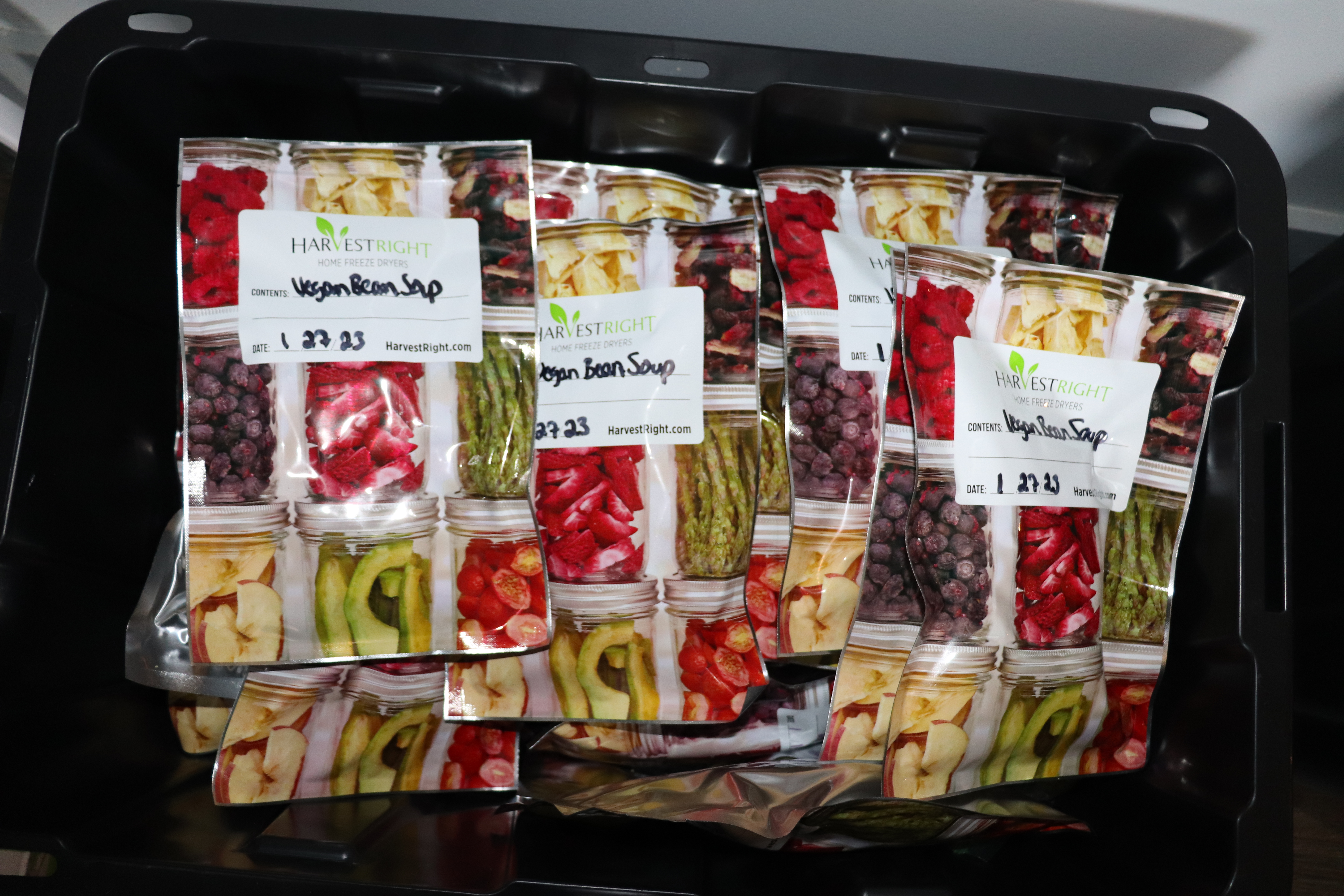
- Choose the Right Packaging: Packaging is an essential factor in the freeze-drying process. The chosen packaging needs to be airtight to prevent moisture from seeping in. The packaging material also needs to be compatible with the food product being processed.
By following these tips, you can optimize the freeze-drying process and achieve the best possible outcome.

Conclusion
In summary, freeze drying is a complex but fascinating process that allows food to stay fresh for long periods of time. With a deep understanding of the basics, it’s possible to optimize the process and achieve the best results. Vacuum chambers, sublimation, and particular types of food all play a crucial role in freeze drying. Following the tips shared can help you make the most out of this incredible preservation method. Remember, whether you’re using a freeze dryer for home or industrial use, you can benefit from the science behind this process. As you finish this article, keep in mind that freezing drying should be approached with curiosity and an open mind. If you are interested in purchasing a freeze dryer you can check out Harvest Right Freeze Dryers. Try it out and see what results you get. As Albert Einstein once said, “The important thing is not to stop questioning.”