
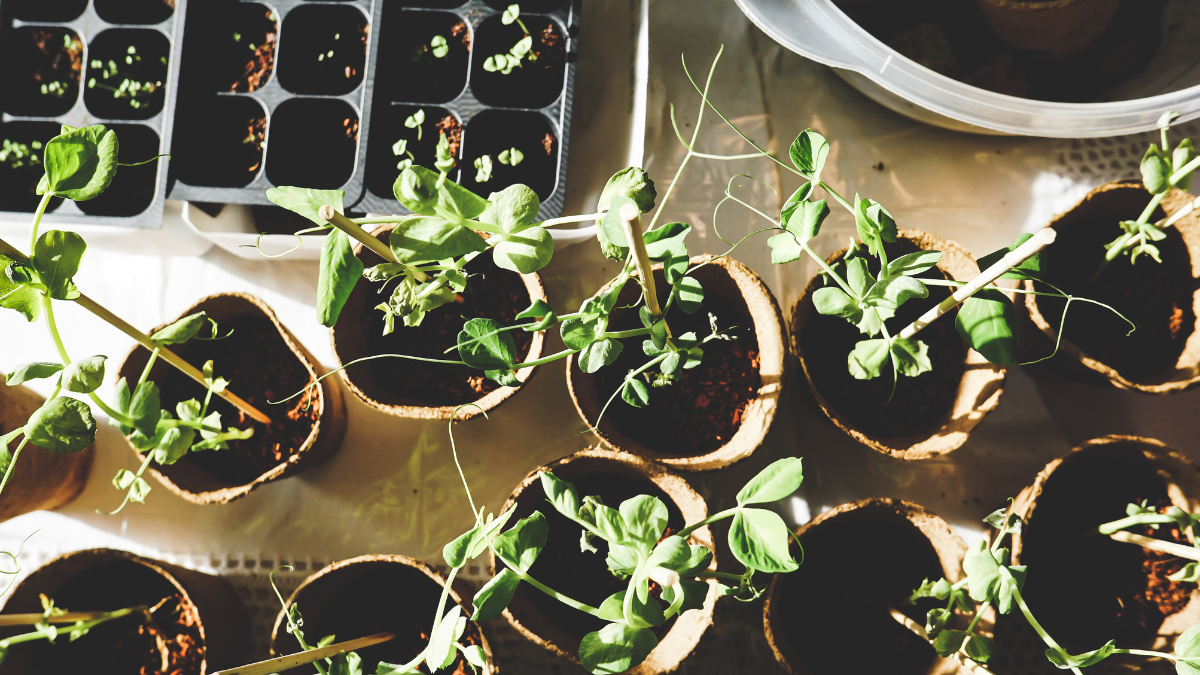
Are you living in a cozy apartment or a small space and yearning to cultivate a garden? The good news is, you don’t need a vast backyard or a big budget to grow your own luscious greens and colorful flowers. With just a few smart tricks and some creative planning, you too can cultivate a delightful garden in your limited space without breaking the bank. In this article, we will explore the top tips and techniques for growing a garden in a small space while sticking to a budget. From choosing the right plants to selecting the perfect containers and using effective fertilizers, we will guide you through all the essential aspects of creating a garden that you can be proud of. So, let’s dive in and discover the joys of growing your own garden in a small space.
Choosing the Right Plants
When it comes to growing a garden in a small space, choosing the right plants is crucial. You want plants that are suited to your climate and growing conditions, but also fit within the space you have available. I use an amazing FREE garden scheduler to keep me focused. One option is to choose compact or dwarf varieties of your favorite plants, such as cherry tomatoes or zucchini. These plants have been bred specifically to take up less space while still producing plenty of fruit or vegetables. Additionally, herbs like basil, mint, and thyme are great choices for small spaces. They can be grown in small pots or even a windowsill planter, and they also provide a delicious addition to your meals.

Another consideration when choosing plants is their sun requirements. Think about the amount of sunlight your space receives throughout the day and choose plants accordingly. If you have a south-facing window or balcony that receives full sun, consider plants like succulents, sunflowers, or peppers. On the other hand, if your space is mostly shaded, ferns, hostas, or impatiens are great options.
Finally, consider choosing plants that are multi-functional. For example, many herbs also have beautiful flowers and can attract pollinators to your garden. Plants like lavender or chamomile can also be used for their calming properties in teas or aromatherapy. By choosing plants that serve multiple purposes, you can get even more enjoyment out of your small space garden.
With these tips in mind, you can choose the perfect plants to create a beautiful and functional garden in your small space.
Selecting the Best Containers
When it comes to selecting the best containers for your small space garden, there are a few things to consider. First, ensure that the container has proper drainage holes to prevent water from pooling and potentially killing your plants. Second, consider the size of the container and how it will accommodate the roots of your plants as they grow. Finally, think about the material of the container. Terra cotta pots are a classic choice, but plastic and fabric containers are lightweight and easy to move around.

Another option for containers is to repurpose items you already have. Old buckets or baskets can be transformed into unique planters that add character to your garden. Just be sure to drill drainage holes if needed and line the container with a plastic bag to prevent water from leaking out.
By selecting the best containers for your plants, you can ensure they have the space and drainage they need to thrive. And by repurposing items, you can create a one-of-a-kind garden that reflects your style and creativity. Up next, we’ll dive into the most effective fertilizers to help your plants grow strong and healthy.
The Most Effective Fertilizers
Fertilizers are an essential component of any garden, providing vital nutrients to help plants grow healthy and strong. However, with so many options available, it can be challenging to determine which type of fertilizer is best for your garden. Here are some of the most effective fertilizers to consider:
- Compost: Composting is a great way to create nutrient-rich soil for your plants. You can make your own compost by composting kitchen scraps and yard waste, or you can buy pre-made compost at a garden center.
- Organic Fertilizers: Organic fertilizers are made from natural sources such as bone meal, blood meal, and fish emulsion. These types of fertilizers release nutrients slowly over time, providing steady nourishment to your plants.
- Synthetic Fertilizers: Synthetic fertilizers are made from chemical compounds and are designed to provide plants with a quick dose of nutrients. While they can be effective, they can also harm the environment and damage soil health if used in excess.
By choosing the right fertilizer for your garden, you can help your plants grow strong and healthy without breaking the bank. In the next section, we’ll explore some tips for saving money on your garden without sacrificing quality.
Saving Money on Your Garden
By choosing the right fertilizer for your garden, you can help your plants grow strong and healthy without breaking the bank. Here are some tips for saving money on your garden without sacrificing quality:

- Use compost: Composting is a great way to recycle organic waste and turn it into nutrient-rich soil for your garden. You can make your own compost by collecting food scraps, leaves, and other yard waste in a compost bin. This will not only save you money on fertilizers, but also reduce waste and benefit the environment.
- Collect rainwater: Watering your garden can be expensive, especially during the summer months. By collecting rainwater in a rain barrel, you can save money on your water bill and provide your plants with the natural hydration they need to thrive.
- Buy seeds in bulk: Instead of buying individual packets of seeds, consider buying them in bulk. This can save you money in the long run and give you the opportunity to experiment with different varieties of plants.
- Repurpose containers: Instead of buying expensive planters and pots, consider repurposing household items such as buckets and crates to create a unique and cost-effective garden. You can also save money by reusing containers from previous plantings.
By following these tips, you can create a beautiful garden in your small space without breaking the bank. Remember, gardening should be enjoyable and affordable – not a financial burden.
In Conclusion
In conclusion, limited space and funds shouldn’t stop you from enjoying the benefits of gardening. By choosing plants that thrive in containers, selecting the right containers, using effective fertilizers, and implementing cost-saving methods, you can create a beautiful and thriving garden in a small space without breaking the bank. Remember, gardening is not only rewarding but also a great way to relieve stress and improve mental health. So, start your garden today and enjoy the beauty and satisfaction of growing your own plants and vegetables. As one of the greatest philosophers of our time, Aristotle, once said, “In all things of nature, there is something of the marvelous.”
Great article with full of helpful tips and tricks for growing a garden in a small space without breaking the bank! This will definitely inspire and encourage people who want to cultivate their own garden.
Marcus Taylor